

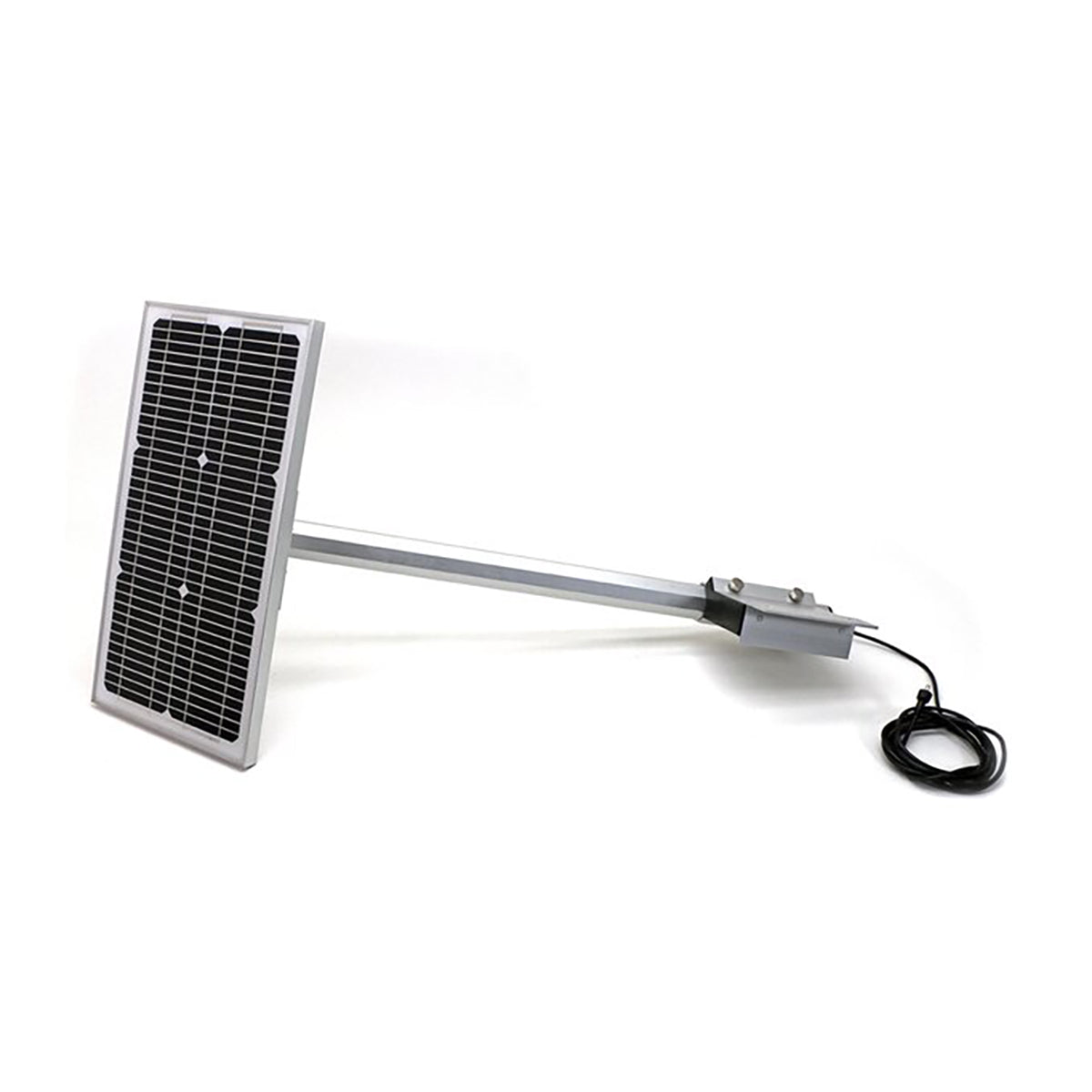
12v Boat Lift Solar Charging Kit
Couldn't load pickup availability
Pickup available at Lake Lite Inc.
Usually ready in 24 hoursPairs well with
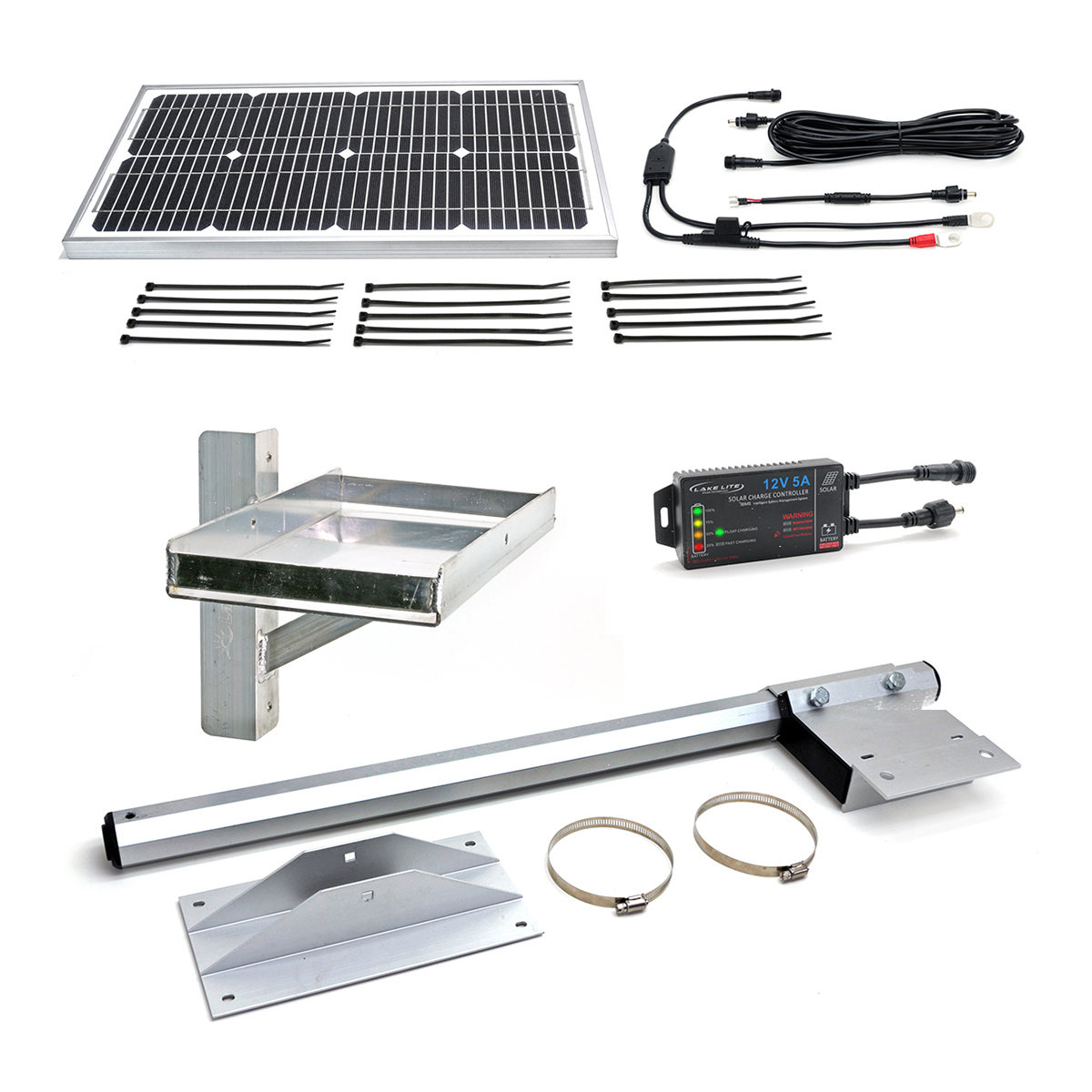
Your boat lift battery was tired of being neglected — so we gave it a personal solar-powered life coach. This all-in-one kit keeps your 12v DC boat lift system charged, happy, and ready to lift on command. No shore power? No problem. No maintenance? That's the whole point. Just sun, science, and a boat that's always ready to go when you are.
12 Volt
DC boat lift systems
Monocrystalline
High-efficiency cells
20+ Years
Rated panel life
All-In-One
Complete kit
Regulator
Overcharge protection
Adjustable
Aluminum mount arm
Marine Grade
UV & salt resistant
Easy Setup
Illustrated instructions
Low Light
Works on cloudy days
Set & Forget
Maintenance free
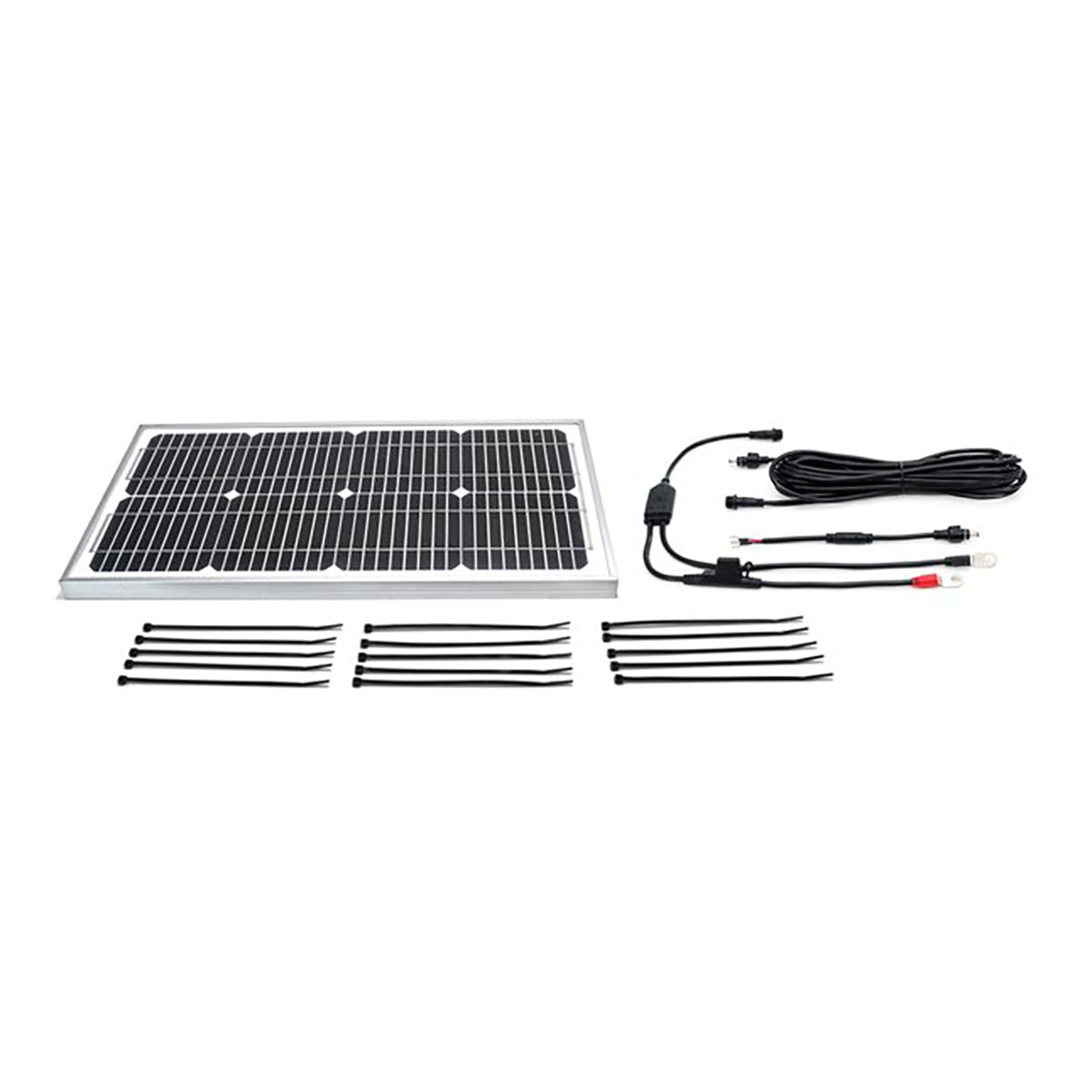
These aren't your neighbor's bargain-bin solar cells. Lake Lite uses premium monocrystalline technology — the kind that squeezes every last photon out of even overcast days. Sealed with low-iron tempered glass and wrapped in an anodized aluminum frame, this panel is rated for 20+ years. That's roughly 7,300 sunrises of free energy. We did the math so you don't have to.
The included 12v charge regulator is the responsible adult in this relationship. It manages the flow of energy from the panel to the battery, preventing overcharging and premature degradation. Think of it as a bouncer for your battery — only lets the good stuff in, keeps the bad stuff out, and never takes a day off.
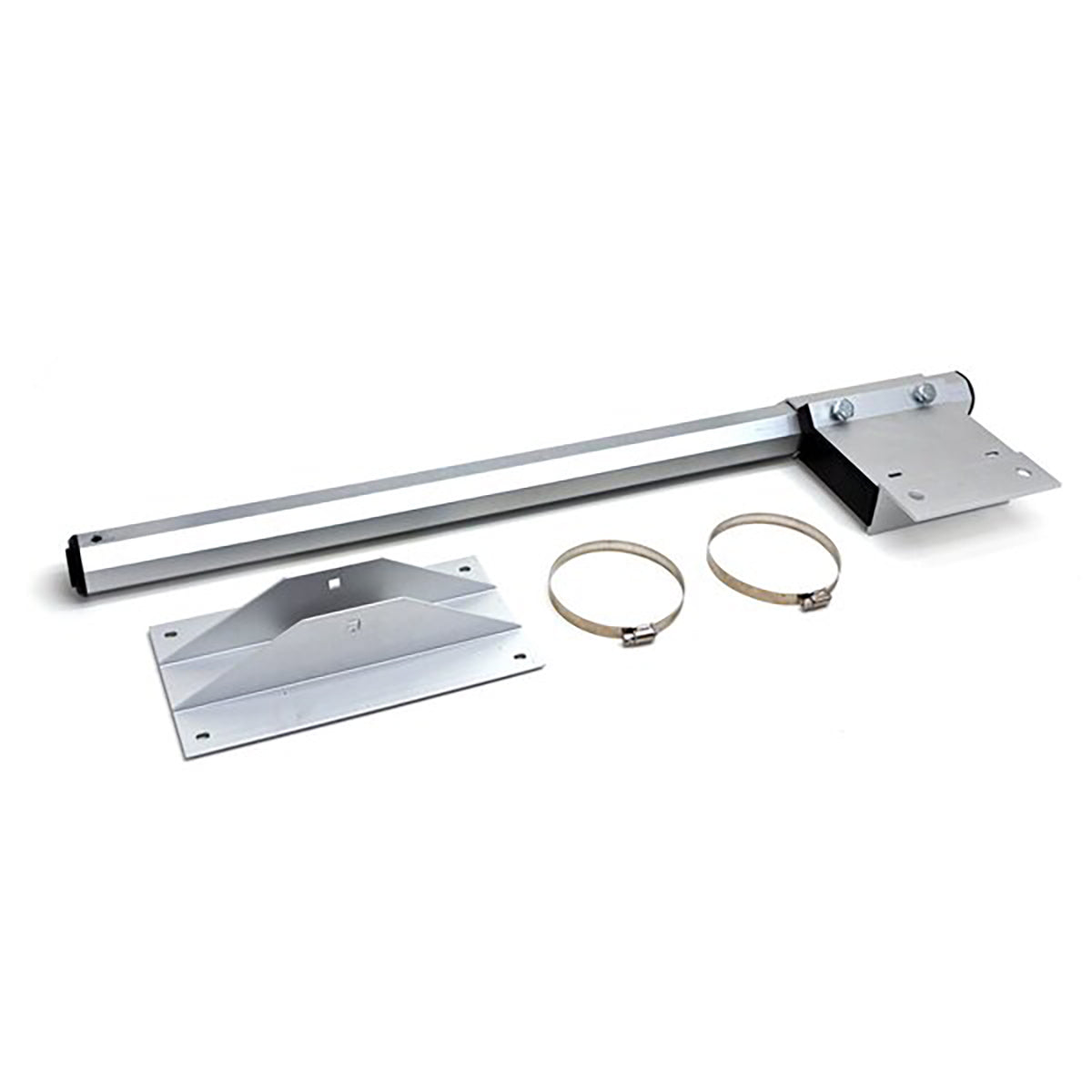
Every component in this kit was designed to live outside, near water, in direct sunlight, year-round — and like it. The anodized aluminum mounting arm resists corrosion and laughs at high winds. The marine-grade wiring doesn't care about moisture. The whole system is basically the Navy SEAL of solar kits — tough, reliable, and surprisingly low-maintenance.
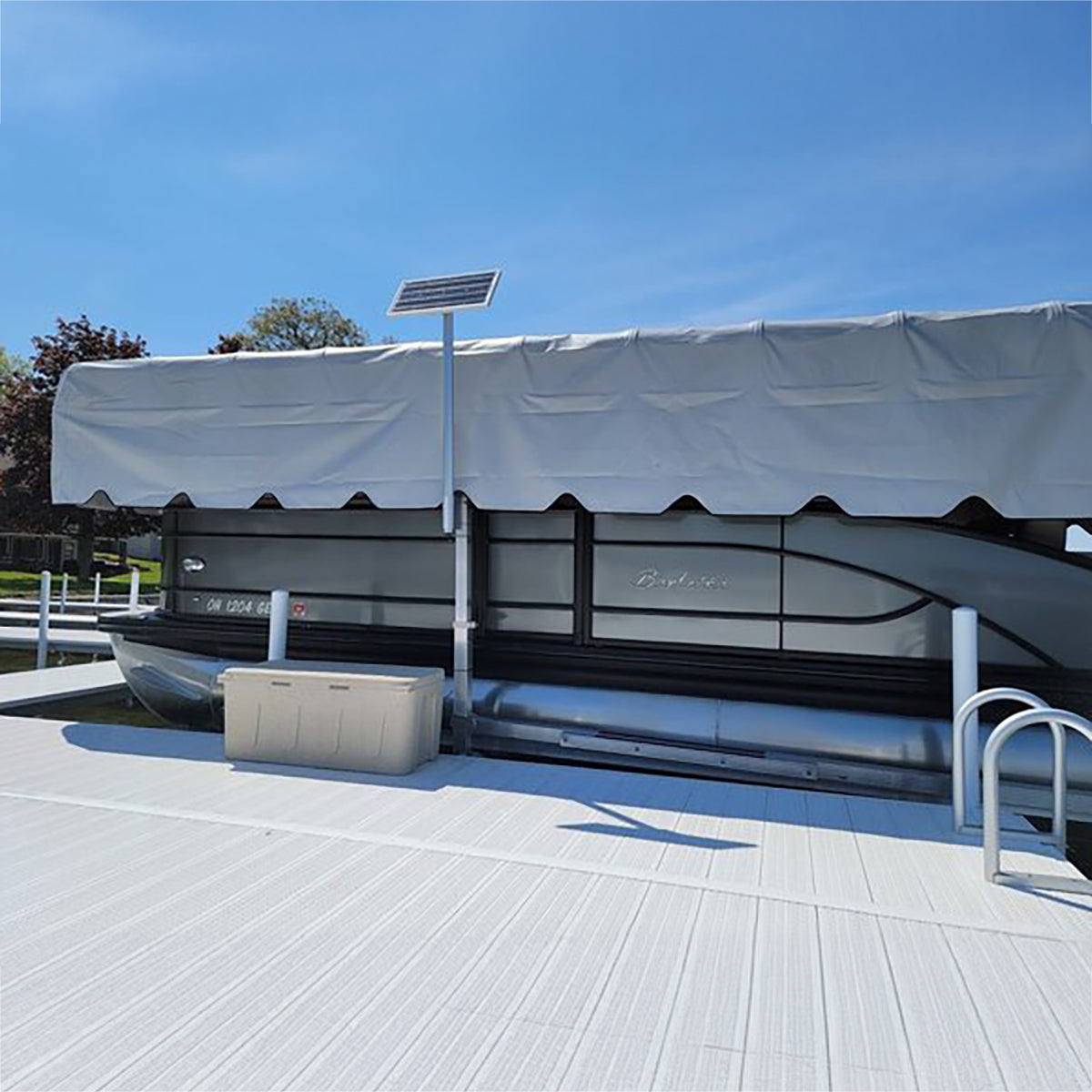
The easily-adjustable anodized aluminum arm lets you aim the panel exactly where the sun is — because angles matter when you're harvesting free energy. Mount it to your boat lift, dock post, or any structure near the battery. It's flexible enough to find the perfect position and sturdy enough to stay there through whatever weather your lake throws at it.
Whether you're at a private lake house or a remote marina where the nearest outlet is a quarter mile away, this kit has you covered. It's a completely self-sufficient power solution — no electrical infrastructure, no extension cords draped across the dock, no monthly electric bill for your boat lift. Just clean, renewable energy doing all the heavy lifting (literally).
Illustrated instructions and a reference video mean you'll spend more time on the water than in the toolbox. Everything you need is in the kit — panel, regulator, mount arm, wiring, and hardware. Connect the panel to the regulator, the regulator to the battery, mount the arm, aim at the sun, and go crack open a cold one. You've earned it. Total install time: less than it takes to argue about whose turn it is to drive the boat.
Not sure which solar charging kit is the right fit for your boat lift? It depends on your motor type, battery setup, and how often you use the lift. We put together a handy sizing chart that takes the guesswork out of it.
Pro tip: When in doubt, size up. A slightly bigger panel means faster charging, better performance on cloudy days, and a battery that stays happier longer. Nobody ever complained about having too much free energy.
View Solar Sizing ChartBattery Boxes
Keep your battery protected from the elements. Available in Group 24 and Group 27 sizes starting at $29.95, or upgrade to a fiberglass box for premium weather protection. Your battery works hard — give it a nice place to live.
Battery Trays
Hanging trays (round or square arm) and universal trays keep your battery securely mounted to your boat lift. No more balancing a battery on a random crossbeam and hoping for the best.
HD Extension Wire
Need more reach between your solar panel and battery? Heavy-duty extension wire available in multiple lengths starting at $9.95. Because sometimes the best spot for sun and the best spot for a battery are not the same spot.